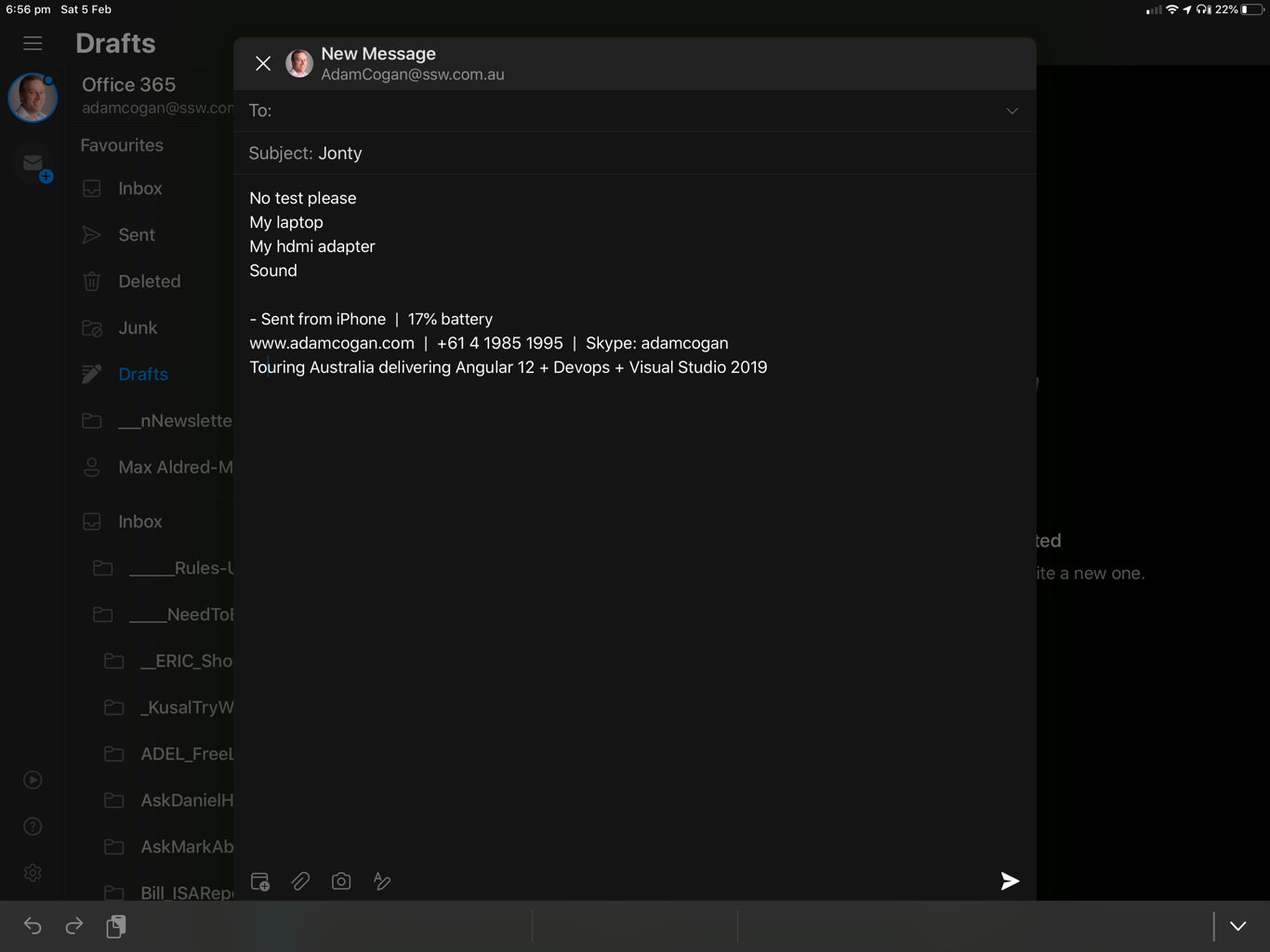
Delayed emails get saved in Drafts. Those emails should be separate from real draft emails because they are unfinished emails.
Could you save it in a subfolder eg. Drafts\Delayed


Do you agree that products always have room for improvement?
"Every day there are little things in software that we find annoying. Some write books about it, like Annoyances.org, but I thought this site would be more constructive.
BetterSoftwareSuggestions.com is proudly maintained by myself and the developers at SSW."
 - Adam Cogan
Delayed emails get saved in Drafts. Those emails should be separate from real draft emails because they are unfinished emails.
Could you save it in a subfolder eg. Drafts\Delayed
A cool feature of Outlook is when somebody is on holidays, you can access their mailboxes. An uncool feature is in the UX, it combines all emails when you are using the view of “Show as Conversations”.
For example, in the UX, a thread groups all emails from different mailboxes, regardless of who the email was sent to. This causes confusion as you assume the email was sent to you.
Suggestion: Microsoft Outlook should change its logic and not include the emails from other mailboxes in the Conversation view.
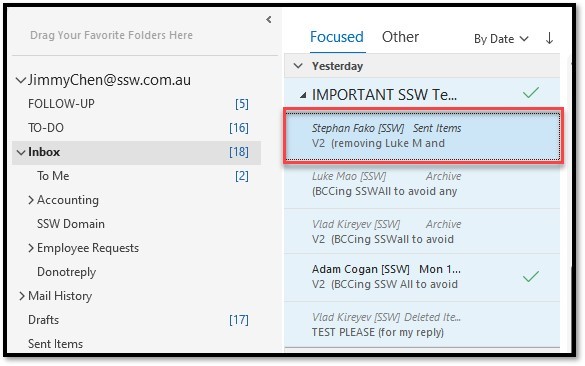
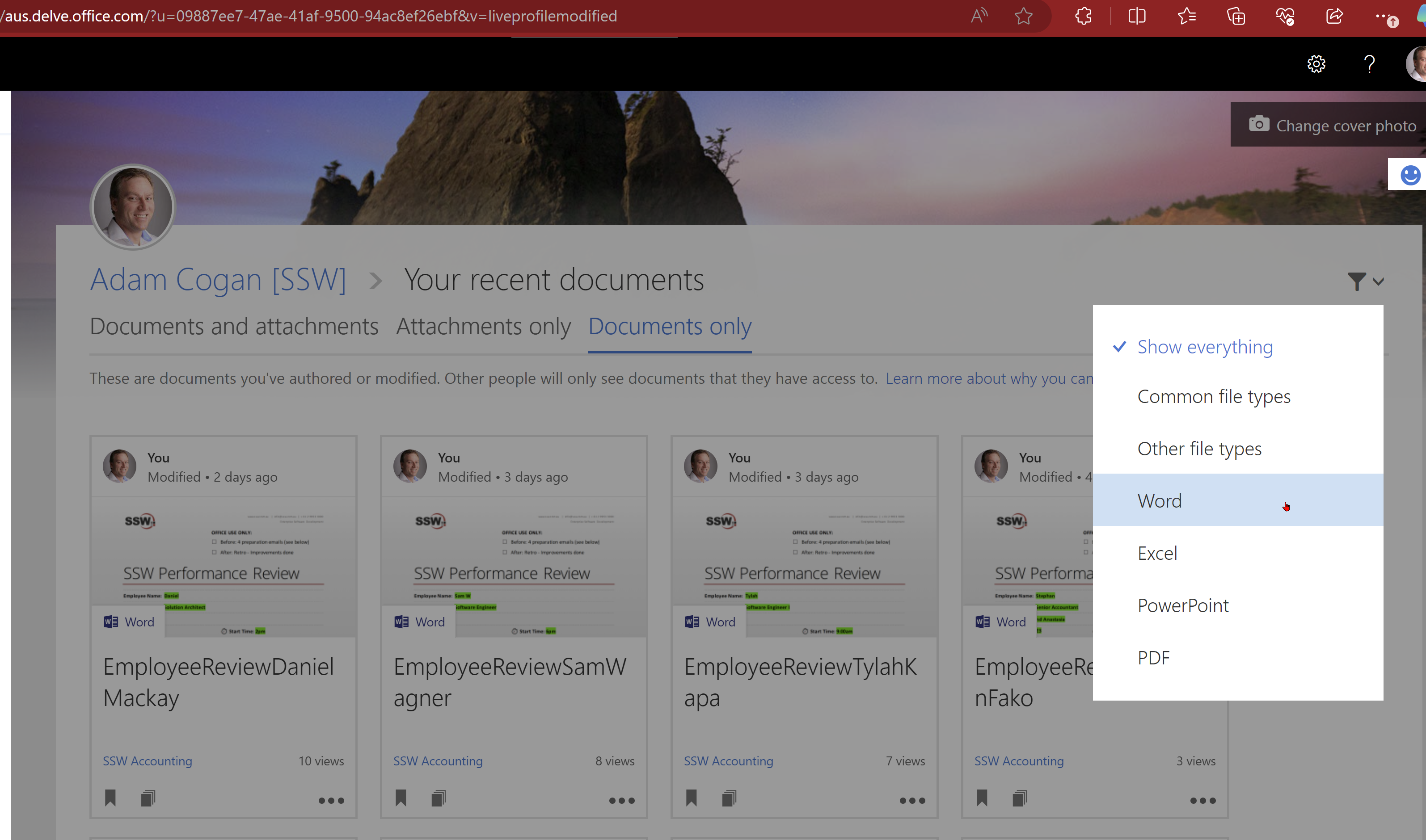
When I fill in forms for my company, I should be able to find each one (just like I do a Microsoft Word doc I created).
I understand that a Form is not a file stored in a Document Library like other Office docs, but I do think you could hack something so it could be surfaced.
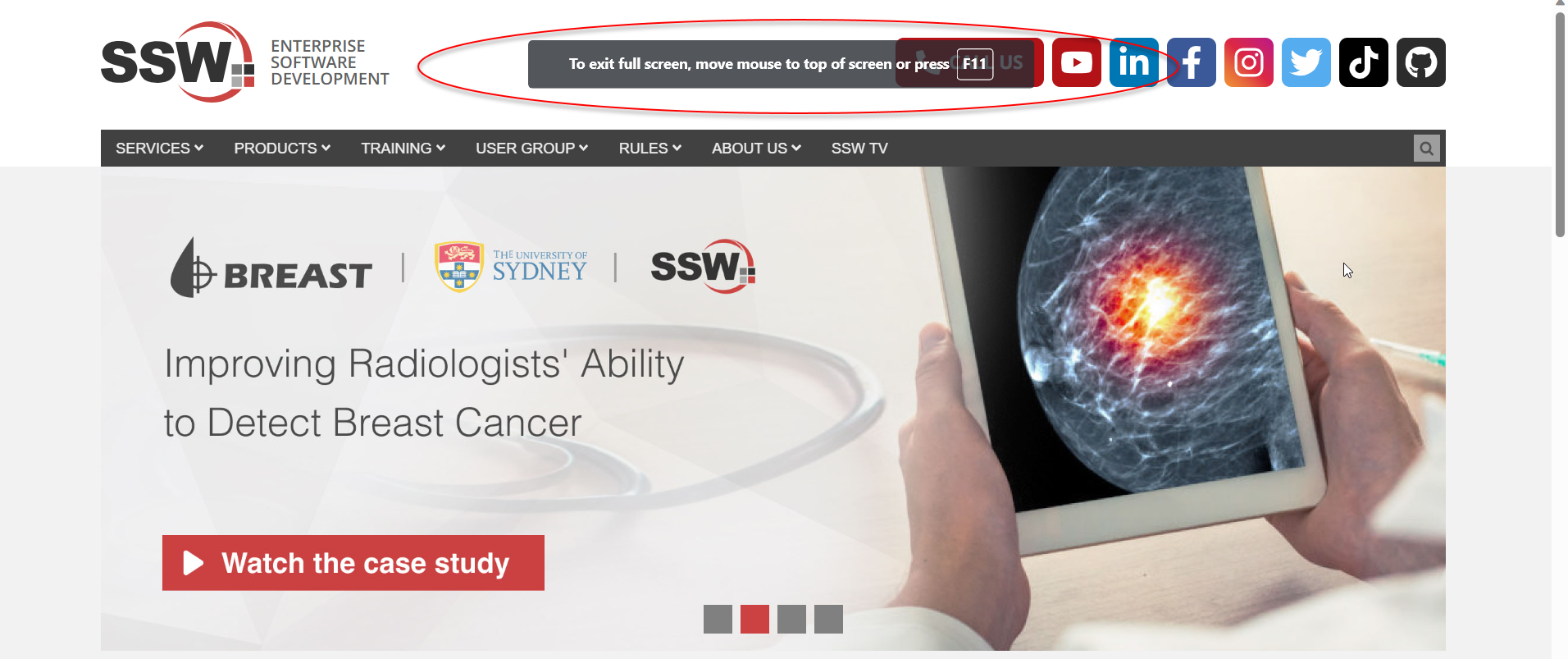
When screen sharing in Teams or other applications, you want to be able to reduce noise as much as possible. One way to do this is by using full screen mode.
✅ Chrome – F11 works
✅ Edge – F11 works
❌ Outlook new email – F11 doesn’t work (does nothing)
❌ Word – F11 doesn’t work (does nothing)
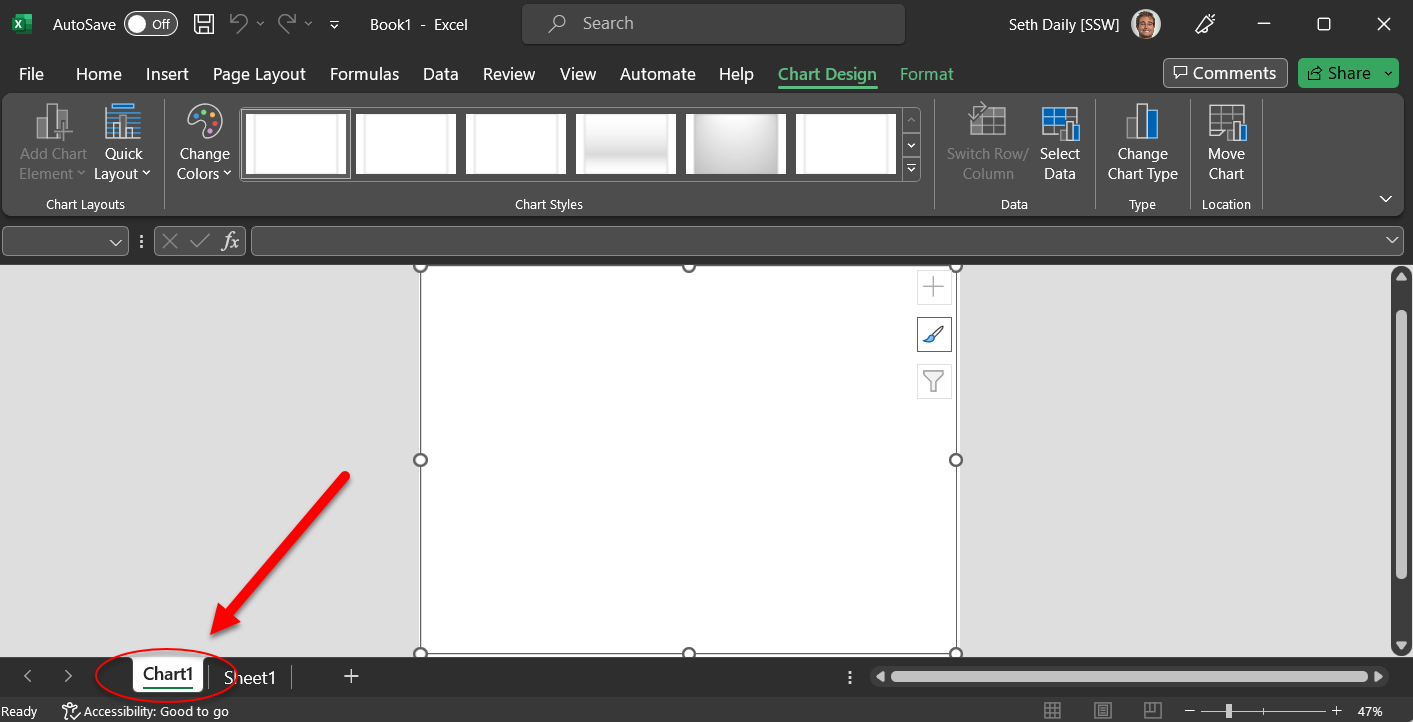
❌ Excel – F11 doesn’t work (goes to Charts)

Things I have problems with:

If I view an all-day event in my Outlook calendar that:
The event will show as one day shorter than the actual event. The hover preview shows the same (incorrect) number of days. If I open the event, it displays correctly.
Please fix this inconsistency.


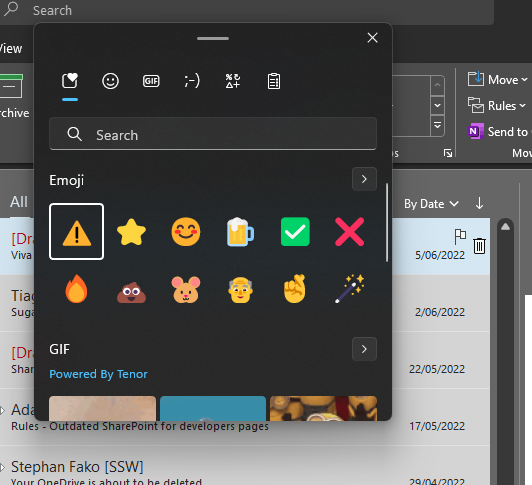
I often use Emojis in email subjects to signify certain things a warning ⚠️ or a bug 🐛
In Outlook search, why can’t I search for an emoji?
Curious… I’d love to know the technical reason, as I would have expected this to work without any additional effort.
Let’s add some emoji love to search.

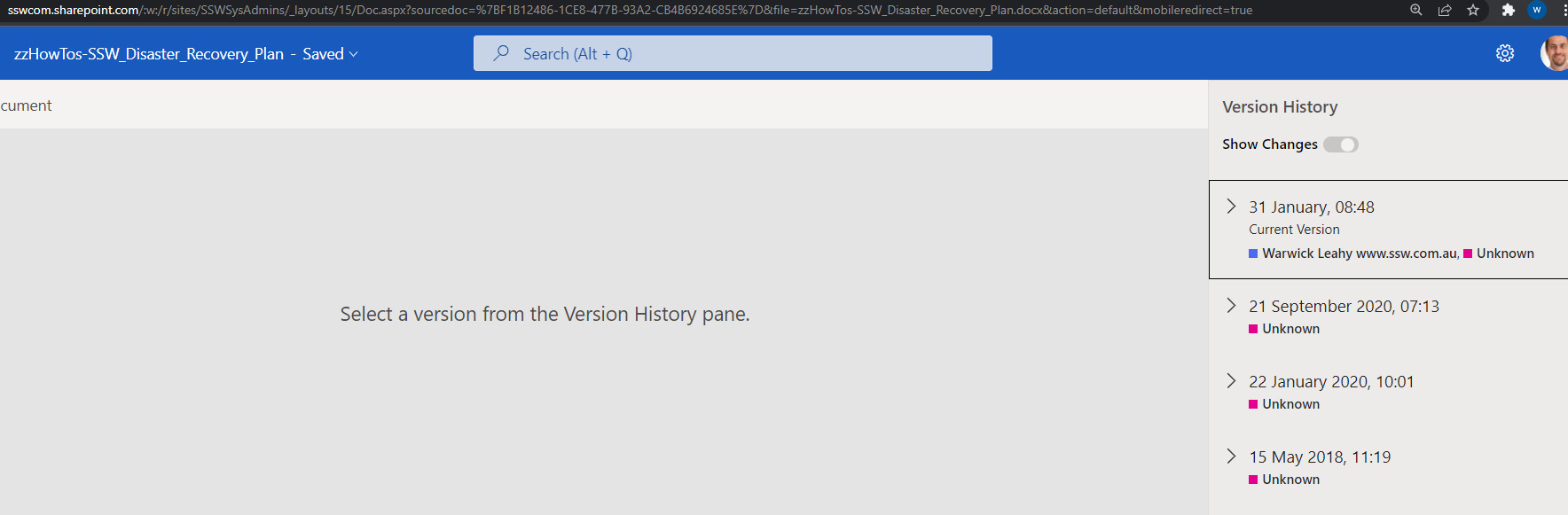
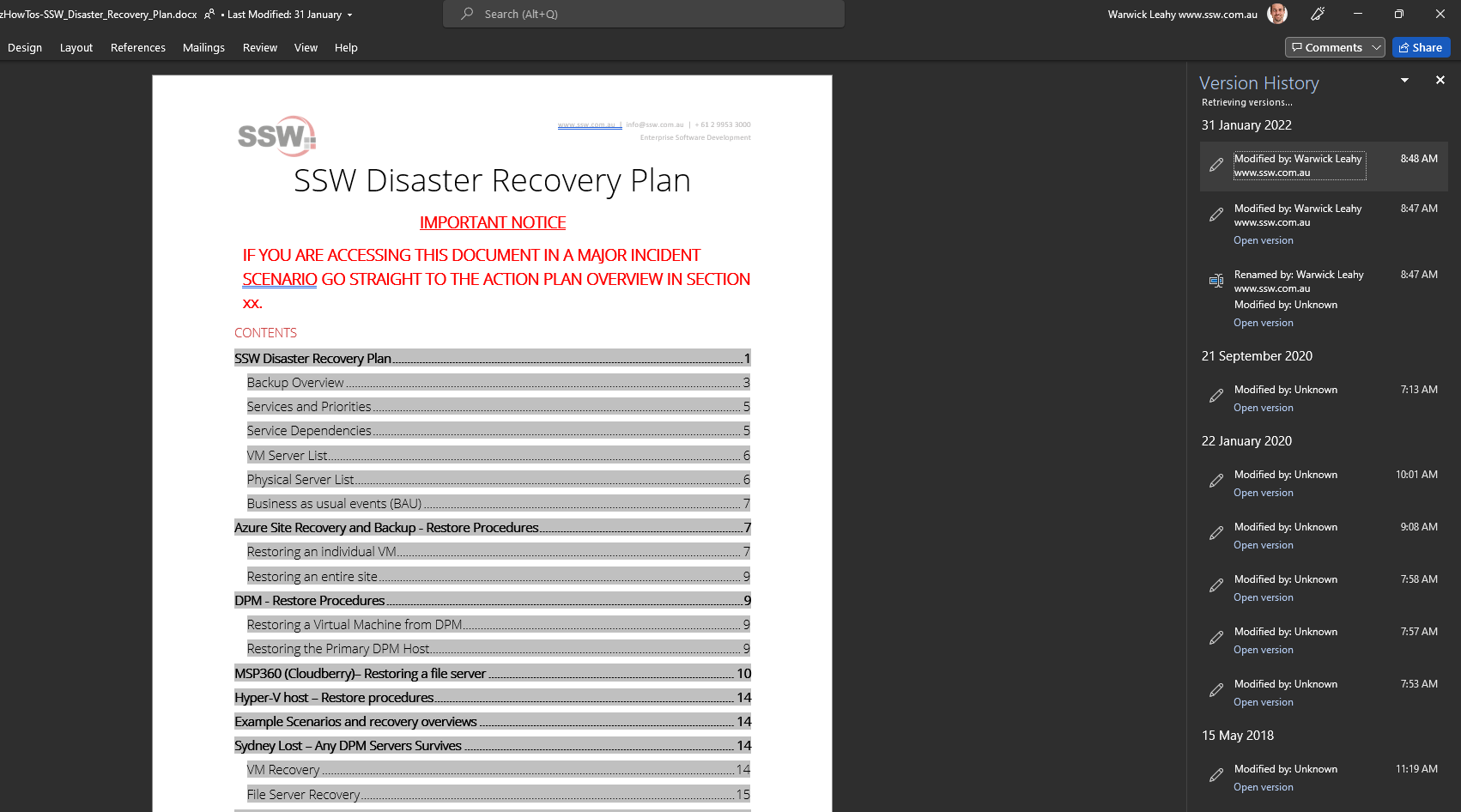
In SharePoint it shows the file history fine. But the history doesn’t completely appear in the Desktop/Web versions of Office.
We find ourselves looking at version history when debugging SharePoint stuff for clients, and it is useful.
Until now we had never gone to Word to view the history – so to find out it does not work is concerning 🔥
In SharePoint we see:

In Web version of Word we see:
In Desktop versions of Word we see (Note we see more file history in the desktop version too):
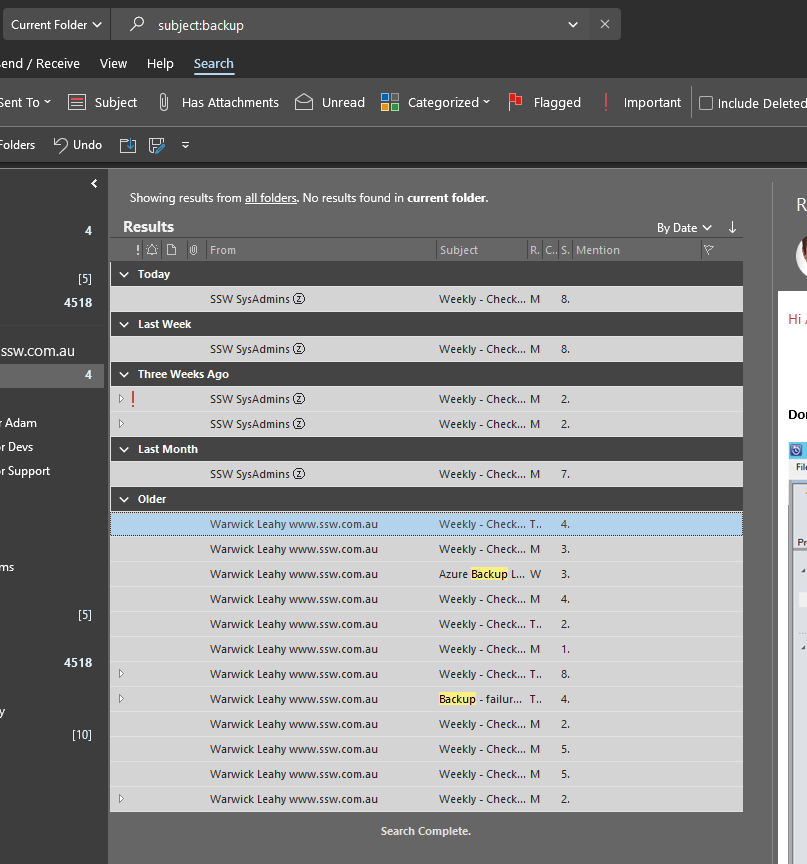
If I search “Current Folder” and there are no items…. Then I don’t want to see items.
You are welcome to show a link “Do you want to see items from other folders?”
Please change this terrible default behaviour. 🔥
Help me open up a draft | hit delete ❌